

Media education in Ethiopia has been gaining traction in recent years as the country navigates its evolving political landscape and the growing demand for accurate and unbiased information. With a population exceeding 110 million, Ethiopia’s media landscape plays a crucial role in shaping public opinion, fostering transparency, and promoting democratic values. However, the media sector’s challenges are significant, including a lack of training and education for journalists, restricted access to information, and political pressures. This article delves into the current state of media education in Ethiopia and the pressing training needs for journalists to ensure a robust and independent media landscape.
The State of Media Education
Media education in Ethiopia is offered through 28 public universities and various institutions, including universities, colleges, and specialized training centers. Key institutions providing media education include:
- Addis Ababa University (AAU): One of the leading institutions offering journalism and communication programs at both undergraduate and graduate levels. AAU’s School of Journalism and Communication is renowned for producing skilled media professionals.
- Unity University: Offers journalism and communication programs to equip students with practical skills and theoretical knowledge.
- Ethiopian Media Training Institute (EMMTI): This institute provides short-term and long-term training programs focused on enhancing the skills of practicing journalists and media professionals.
Despite the presence of these institutions, there are notable gaps in the quality and relevance of media education. Curriculum updates are infrequent, and there is a significant disconnect between academic training and the practical realities of the journalism profession.
Training Needs for Journalists is provided (with the support of other organizations).
- Ethics and Professionalism: Journalists in Ethiopia face ethical dilemmas and pressures that challenge their professional integrity. Training programs must emphasize the importance of ethical journalism, including accuracy, impartiality, and accountability. Workshops and seminars on media ethics can help reinforce these principles.
- Investigative Journalism: With the country’s complex socio-political environment, there is a growing need for investigative journalism that holds power accountable and exposes corruption and injustices. Training in investigative techniques, data journalism, and legal frameworks can empower journalists to undertake in-depth investigations.
- Digital Media Literacy: The digital revolution has transformed the media landscape, making digital literacy essential for modern journalists. Training should cover digital storytelling, social media management, and content creation. Understanding digital tools and platforms is crucial for reaching and engaging wider audiences.
- Safety and Security: Journalists in Ethiopia often work in challenging and sometimes dangerous environments. Training in physical and digital security is vital to ensure their safety. Programs on risk assessment, situational awareness, and secure communication methods can help journalists navigate these risks.
- Access to Information: Ethiopia’s journalists frequently encounter obstacles in accessing information from government and private entities. Training on the legal aspects of freedom of information and how to effectively request and utilize information can enhance journalists’ ability to report accurately and comprehensively.
- Business and Entrepreneurial Skills: Traditional media business models face financial constraints, so journalists need entrepreneurial skills to explore alternative revenue streams and manage independent media ventures. Business management, fundraising, and financial planning training can support sustainable media operations.
Challenges and Opportunities
Significant challenges, including political interference, censorship, and limited resource access, mark the Ethiopian media landscape. However, there are also opportunities for growth and development:
- Government Initiatives: The Ethiopian government has shown interest in media reform and enhancing freedom of expression. Collaborations between government bodies, media organizations, and educational institutions can create a conducive media education and training environment.
- International Support: Various international organizations and NGOs actively support media development in Ethiopia. Partnerships with these entities can provide funding, expertise, and resources for training programs.
- Technological Advancements: The proliferation of digital technologies presents an opportunity to modernize media education and make training more accessible. Online courses, webinars, and digital resources can complement traditional training methods.
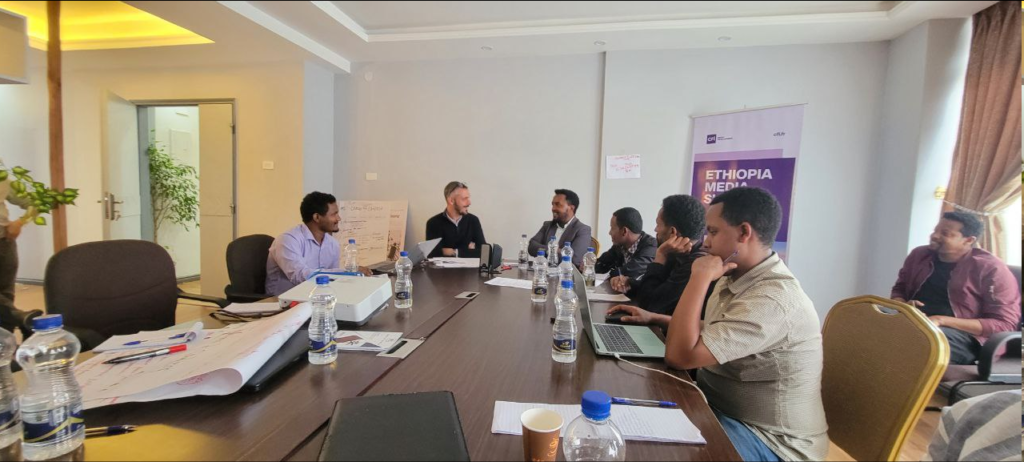
Media education and training for journalists in Ethiopia are crucial for fostering a vibrant, independent, and professional media sector. Addressing the training needs through comprehensive programs emphasizing ethics, investigative skills, digital literacy, safety, access to information, and business acumen can significantly enhance journalists’ capacity. By overcoming existing challenges and leveraging opportunities, Ethiopia can cultivate a media environment that contributes to democratic governance, social accountability, and informed citizenry.

Specialized and Important Courses in Journalism
Journalism is a dynamic field that requires diverse skills and knowledge to effectively gather, analyze, and present information to the public. Specialized courses are essential to prepare students for the multifaceted nature of journalism. Here are some of the most important courses that should be included in a journalism curriculum:
1. Media Ethics and Law
- Course Description: This course covers the ethical considerations and legal frameworks journalists must navigate. Topics include media ethics, defamation, privacy laws, intellectual property rights, and press freedom.
- Importance: Understanding the ethical and legal responsibilities is crucial for maintaining journalistic integrity and avoiding legal pitfalls.
2. Investigative Journalism
- Course Description: Students learn advanced research techniques, data analysis, and in-depth reporting skills necessary for uncovering and reporting complex stories.
- Importance: Investigative journalism is vital in holding powerful entities accountable and exposing societal issues.
3. Digital Journalism
- Course Description: This course uses digital tools and platforms for news reporting. It includes training in social media, multimedia storytelling, and online news production.
- Importance: With the rise of digital media, journalists must be proficient in using digital technologies to reach and engage audiences.
4. Data Journalism
- Course Description: Students learn to collect, analyze, and visualize data to tell compelling stories. The course includes statistics, data visualization software, and database management training.
- Importance: Data journalism allows journalists to uncover patterns and insights that are not immediately visible, enhancing the depth and accuracy of their reporting.
5. Broadcast Journalism
- Course Description: This course covers the principles and practices of reporting for television and radio. Topics include scriptwriting, video production, audio editing, and on-camera performance.
- Importance: Broadcast journalism requires specific skills different from print journalism, including presenting information clearly and engagingly on air.
6. Photojournalism
- Course Description: Students are trained in visual storytelling through photography. The course covers techniques in composition, lighting, digital editing, and ethical considerations in photojournalism.
- Importance: Photojournalism provides a powerful means of visually capturing and conveying news stories, often evoking a more robust emotional response from the audience.
7. Feature Writing
- Course Description: This course teaches students how to write in-depth, human-interest stories that go beyond breaking news. Topics include narrative techniques, interviewing skills, and feature structure.
- Importance: Feature writing allows journalists to explore topics in greater detail and provide context and background that enrich readers’ understanding.
8. Political Reporting
- Course Description: This course focuses on the intricacies of political journalism and covers election reporting, government structures, policy analysis, and the role of media in politics.
- Importance: Political reporting is critical for informing the public about governmental actions and fostering democratic engagement.
9. Environmental Journalism
- Course Description: Students learn about reporting on environmental issues such as climate change, conservation, and sustainability. The course includes training in scientific literacy and communicating complex ecological topics.
- Importance: Environmental journalism raises awareness about crucial issues affecting the planet and influences public policy and behavior.
10. International Reporting
- Course Description: This course prepares students to report global issues and events. Topics include international law, foreign correspondence, cultural sensitivity, and global news networks.
- Importance: Understanding international dynamics is essential for comprehensive journalism as the world becomes more interconnected.
11. Public Relations and Media Management
- Course Description: This course covers the principles of public relations, media strategies, crisis communication, and brand management.
- Importance: Knowledge of PR and media management helps journalists understand the perspectives of the organizations they cover and manage their own professional brand.
12. Entrepreneurial Journalism
- Course Description: Students learn about the business side of journalism, including how to start and manage a media business, monetize content, and develop sustainable business models.
- Importance: With traditional media business models under pressure, journalists need entrepreneurial skills to innovate and sustain their work.
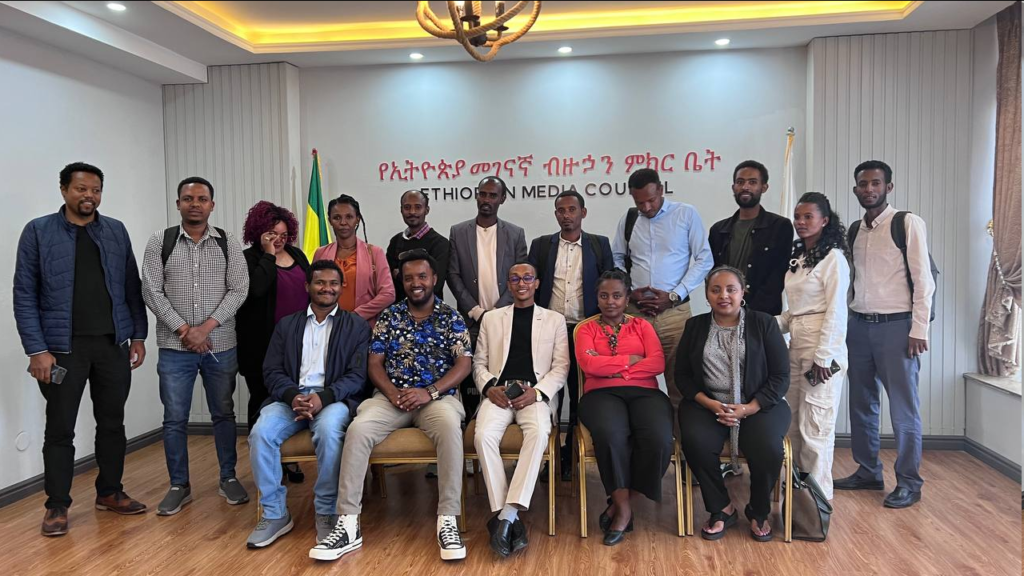
Incorporating these specialized courses into journalism education ensures that students are well-equipped to navigate the complexities of modern journalism. By providing comprehensive training in these areas, journalism programs can produce professionals who are not only skilled reporters but also ethical, innovative, and adaptable to the rapidly changing media landscape.
Specialized Courses in Journalism: Training provides for Modern Media Professionals
1. Media Ethics and Professional Standards
Course Overview: This course focuses on journalists’ ethical responsibilities, exploring the principles and dilemmas they face in their profession.
Key Topics:
- Ethical theories and principles in journalism
- Case studies of ethical dilemmas
- Understanding and applying codes of conduct
- Issues of bias, accuracy, and fairness
- Handling conflicts of interest
Importance: Ethical journalism is fundamental to maintaining public trust and credibility. This course equips journalists with the knowledge to navigate complex ethical issues and make informed decisions.
2. Investigative Journalism
Course Overview: This course teaches the techniques and methodologies of investigative reporting, enabling journalists to uncover and report on hidden truths.
Key Topics:
- Research and data gathering techniques
- Interviewing skills and building sources
- Analyzing public records and documents
- Writing investigative reports
- Legal and ethical considerations in investigative journalism
Importance: Investigative journalism is crucial for holding power to account and exposing corruption and injustice. This course empowers journalists to conduct thorough and impactful investigations.
3. Digital Media and Multimedia Storytelling
Course Overview: This course explores the tools and techniques for creating compelling digital and multimedia content.
Key Topics:
- Digital journalism tools and platforms
- Multimedia storytelling (video, audio, infographics)
- Social media strategies for journalists
- Mobile journalism (MoJo)
- Interactive and immersive media (VR/AR)
Importance: As media consumption shifts towards digital platforms, journalists need to master digital tools and multimedia storytelling to engage modern audiences effectively.
4. Data Journalism and Analytics
Course Overview: This course focuses on using data in journalism, teaching journalists to find, analyze, and present data-driven stories.
Key Topics:
- Finding and sourcing data
- Data analysis and visualization tools (e.g., Excel, Tableau)
- Statistical concepts for journalists
- Data storytelling and interpretation
- Ethical issues in data journalism
Importance: Data journalism allows journalists to uncover trends, provide evidence-based reporting, and enhance the depth and accuracy of their stories.
5. Safety and Security for Journalists
Course Overview: This course addresses journalists’ physical and digital security challenges, providing strategies to protect themselves and their information.
Key Topics:
- Risk assessment and management
- Personal safety in hostile environments
- Digital security practices and tools
- Secure communication methods
- Coping with trauma and stress
Importance: Ensuring journalists’ safety is paramount, especially when reporting in conflict zones or under repressive regimes. This course prepares journalists to mitigate risks and protect their well-being.
6. Broadcast Journalism
Course Overview: This course covers the skills needed for broadcast media, including television and radio journalism.
Key Topics:
- Writing for broadcast
- On-camera presence and delivery
- Audio and video production techniques
- Newsroom operations and workflows
- Live reporting and field production
Importance: Broadcast journalism requires unique skills distinct from print and digital media. This course equips journalists to produce high-quality broadcast content.
7. Specialized Reporting (Business, Health, Environment, etc.)
Course Overview: These courses offer in-depth training in specific beats, such as business, health, environment, sports, and more.
Key Topics:
- Industry-specific knowledge and jargon
- Key issues and trends in the specialty area
- Source development and expert interviews
- Writing and reporting techniques for specialized topics
- Ethical considerations in specialized reporting
Importance: Specialized reporting requires deep subject matter expertise to provide accurate, insightful, and authoritative coverage. These courses prepare journalists to excel in their chosen beats.
8. Media Law and Policy
Course Overview: This course explores the legal framework governing journalism, including rights, responsibilities, and restrictions.
Key Topics:
- Freedom of the press and expression
- Defamation and libel laws
- Intellectual property rights
- Privacy laws and ethical considerations
- Regulatory bodies and media policies
Importance: Journalists must understand media law to navigate legal challenges and protect themselves and their organizations from legal risks.
Conclusion
Specialized journalism courses provide journalists with the advanced skills and knowledge necessary to excel in today’s dynamic media landscape. From mastering ethical standards and investigative techniques to harnessing digital tools and understanding media law, these courses ensure that journalists are well-equipped to inform, educate, and engage their audiences while upholding the highest professional standards.
ተሸላሚ ሚዲያዎች ለህዝብ ምኑ ናቸው?
Silenced Voices: How Politics Chokes Ethiopian Media? ተሸለሙ የተባሉት ሚዲያዎች ከሚሰሯቸው ዜናዎች እና ፕሮግራሞች የህዝብ ድምፅ የሌላቸው፣ ሳቢነት፣ ማራኪነት፣ ችግር ፈችነት፣ የሁሉንም ድምፅ ማሰማት የጎደላቸው ናቸው፡፡ በፍጥነትና በጥራት ተዘጋጅተው የሚቀርቡ አይደሉም። ሳቢነት ይጎድላቸዋል። ጥልቀት ያንሳቸዋል። ዜናዎቹ ተከታታይነት የላቸውም። በዳራ የበለፀጉም አይደሉም። ተሸላሚ ተቋማት የሚያቀርቧቸው ዜና ሀተታ፣ ፊቸርና ዜና ትንታኔዎች በጅምር ያሉና ሙያው በሚፈልገው መጠን ያልበሰሉ […]