
By Meselech Zelalem & Birhan Dejen (December 17, 2023)
Antibiotic resistance (AMR) is a rapidly growing global health crisis, and Africa is one of the most vulnerable regions. With fragile healthcare systems, frequent misuse of antibiotics, and inadequate regulation, the continent is witnessing a surge in drug-resistant infections. As bacteria evolve to resist the effects of antibiotics, the consequences are dire: common infections are becoming harder to treat, chronic diseases are worsening, and the threat of untreatable “superbugs” looms large.
Through interviews with health experts, patients, and a review of recent research, this report delves into the root causes, current consequences, and limitations of combating antibiotic resistance in Africa, while highlighting real-life cases and data that showcase the urgency of the situation.
Causes of Antibiotic Resistance in Africa
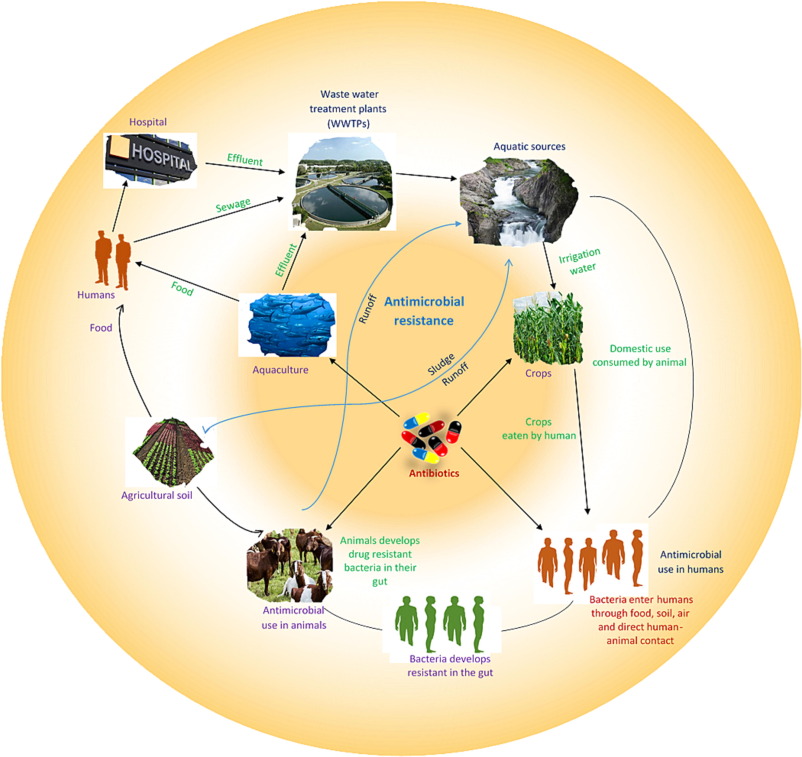
- Overuse and Misuse of Antibiotics The over-prescription of antibiotics and their availability over the counter without a prescription are key contributors to the rise of resistance in Africa. Many people, especially in rural areas, self-medicate, using antibiotics to treat viral infections like colds and the flu, which do not respond to these drugs. This misuse allows bacteria to adapt and build resistance.
Dr. Mulu Gebrekidan, a pharmacist in Addis Ababa, Ethiopia, highlights this problem: “We see patients buying antibiotics for simple viral infections, and they don’t understand that this is harmful. They stop taking the medicine once they feel better, which means the infection isn’t fully eradicated, and resistance builds.”
- Poor Regulation and Access to Expired Drugs In many African countries, the regulation of pharmaceuticals is weak. Expired or counterfeit antibiotics are widespread, especially in conflict zones or remote areas where access to quality healthcare is limited. Expired drugs often lose their potency, meaning that they are less effective in treating infections, again giving bacteria a chance to survive and evolve.
A report from the World Health Organization (WHO) found that up to 40% of medicines sold in sub-Saharan Africa are either substandard or counterfeit. This is particularly common in areas like South Sudan and the Democratic Republic of Congo, where years of conflict have weakened healthcare infrastructure.
- Inadequate Healthcare Systems Underfunded and understaffed healthcare systems in Africa struggle to keep up with the needs of rapidly growing populations. In many areas, healthcare workers lack training in the correct use of antibiotics, leading to inappropriate prescriptions or failure to educate patients on how to take the medicine properly. This problem is further compounded by a lack of diagnostic tools to determine whether antibiotics are needed in the first place.
Dr. Linda Mutiso, a healthcare worker in rural Kenya, explains: “In many clinics, we don’t have the resources to run proper tests, so doctors often prescribe antibiotics just in case. This leads to their overuse and contributes to resistance.”
Consequences of Antibiotic Resistance
- Rising Mortality Rates One of the most concerning consequences of AMR is the rise in mortality due to untreatable infections. According to the WHO, over 700,000 people worldwide die each year due to drug-resistant infections, and this number is expected to rise to 10 million by 2050 if action is not taken. In Africa, where healthcare systems are already stretched thin, the burden of resistant infections is particularly high.
For example, in Nigeria, a recent outbreak of multidrug-resistant tuberculosis (MDR-TB) has left health officials scrambling. According to a 2023 study published in The Lancet, Nigeria has one of the highest MDR-TB burdens in the world, with over 100,000 new cases reported each year. Patients suffering from MDR-TB require costly second-line treatments, which are often unavailable or too expensive for many in low-income communities.
- Prolonged Illness and Increased Healthcare Costs When infections do not respond to first-line antibiotics, patients must often undergo longer, more complicated treatments with more expensive, second-line antibiotics. This not only increases the financial burden on patients and healthcare systems but also leads to longer hospital stays and higher mortality rates.
In South Africa, where antibiotic resistance is growing rapidly, the government spends millions of dollars each year on second-line treatments. Research from the South African Medical Journal shows that treating drug-resistant infections can cost up to 100 times more than treating non-resistant infections.
- The Threat of “Superbugs” As bacteria become resistant to multiple antibiotics, they can evolve into so-called “superbugs”—infections that are nearly impossible to treat. Africa is seeing an increasing number of these cases. For example, in Uganda, hospitals have reported rising incidences of carbapenem-resistant Enterobacteriaceae (CRE), a type of bacteria resistant to nearly all available antibiotics. CRE infections often result in death, as there are very few effective treatment options.
Dr. Jane Oduor, a microbiologist at Uganda’s Makerere University, warns: “Superbugs like CRE are the future if we don’t address this issue now. We are already seeing cases where nothing works, and patients die because we have no options left.”

Limitations in Addressing the Problem
- Lack of Awareness and Education In many communities, there is limited understanding of how antibiotics should be used, and the dangers of resistance are not well known. Public health campaigns are often underfunded or absent altogether, and healthcare workers may not be equipped with the knowledge or tools to educate patients about the risks.
- Weak Surveillance Systems Many African countries lack comprehensive systems to monitor antibiotic use and track the spread of resistant infections. This lack of data makes it difficult to develop targeted interventions or allocate resources effectively.
WHO’s African Regional Office has emphasized the need for stronger surveillance to understand the true scope of the problem. However, progress is slow due to limited funding and competing health priorities like malaria and HIV/AIDS.
- Limited Access to Diagnostic Tools One of the critical limitations in the fight against AMR is the lack of diagnostic tools in many healthcare facilities. Without proper tests, healthcare workers cannot determine whether an infection is bacterial or viral, leading to the over-prescription of antibiotics.
Case Study: The Malaria-Antibiotic Resistance Connection
In malaria-endemic areas, there is a growing concern about the misuse of antibiotics to treat the disease. Although antibiotics are not effective against malaria, they are often given to patients with malaria-like symptoms, especially in conflict zones where diagnostic tools are scarce. This practice is common in South Sudan, where malaria is rampant and access to healthcare is limited.
A 2023 study conducted by Médecins Sans Frontières (Doctors Without Borders) in South Sudan revealed that up to 30% of patients presenting with malaria-like symptoms were treated with antibiotics. Over time, this has contributed to the rise of antibiotic-resistant bacteria in the region, further complicating the treatment of other infections.
Research and Data
- A study by the Center for Disease Dynamics, Economics & Policy (CDDEP) found that antibiotic consumption in sub-Saharan Africa increased by 165% between 2000 and 2015, largely due to over-the-counter sales and unregulated use.
- The WHO Africa Region’s latest report (2023) highlights that up to 70% of hospital-acquired infections in African countries are resistant to at least one type of antibiotic.
Antibiotic resistance is one of the most pressing health challenges facing Africa today. Without urgent action, the consequences will be catastrophic, leading to millions of preventable deaths and overwhelming healthcare systems. Addressing this issue requires a multi-faceted approach: strengthening healthcare infrastructure, regulating antibiotic use, improving public awareness, and expanding access to diagnostic tools.
Role of Ethiopian Media
መገናኛ ብዙኃን ለሕዝቡ መረጃ መስጠት፣ ማስተማር፣ ማሳወቅና ማዝናናት፣ ለሰላም ለልማትና ለሀገራዊ ሁለንተናዊ ብልፅግና ስኬት የሕዝቡን ተሳትፎ ማሳደግ እና የዜጎችን ሀሳብን የመግለፅ ሕገ መንግስታዊ መብት ተግባራዊ የማድረግ ኃላፊነት አለባቸው፡፡ እንዲሁም የተለያዩ አመለካከቶችን፣ አስተሳሰቦችንና አስተያየቶችን በማስተናገድ የዲሞክራሲ ባህልና ስርዓት ግንባታ እና የብሔራዊ መግባባት እንዲጠናከር ማድረግ የዜጎችን የእርስ በእርስ ግንኙነትና ትስስር ማጠናከር፣ የሕዝቦችን ቋንቋ፣ ባህልና ዕሴት ማስተዋወቅና ማጎልበት፣ […]