
By Meselech Zelalem & Birhan Dejen (February 5, 2024)
The crisis of antimicrobial resistance (AMR) is deepening in Africa, but it’s not only due to the misuse of antibiotics. Traditional attitudes and practices surrounding health care also play a significant role in exacerbating this global threat. While the rise of AMR is often linked to overuse or misuse of antibiotics, traditional medicine practices—deeply rooted in many African cultures—also contribute to the growing resistance, often unintentionally.
In regions where access to conventional healthcare is limited or disrupted, particularly in conflict zones, the reliance on traditional remedies becomes stronger. Communities blend modern antibiotics with local herbal remedies, which sometimes leads to incomplete or improper treatments, further compounding the AMR crisis.
The Role of Traditional Medicine
Across Africa, traditional medicine has been practiced for centuries, offering natural treatments for a wide range of ailments. Herbal remedies, spiritual healing, and other alternative approaches are integral parts of healthcare for many communities, particularly in rural areas. These practices are often intertwined with modern medicine, and while some traditional methods are effective for certain conditions, they can conflict with the proper use of antibiotics.
As Dr. Mulugeta Abebe, an Ethiopian researcher specializing in public health, explains, “In many rural communities, there’s a strong belief that traditional medicine can cure everything. People often use herbs alongside antibiotics without understanding the consequences.” He adds that this can result in the underuse of antibiotics, as patients stop taking them prematurely when they begin to feel better, thinking the herbal remedies have worked.
Harmful Practices Contributing to Resistance
One significant contributor to antibiotic resistance in Africa is the blending of traditional healing with modern treatments in ways that limit the effectiveness of antibiotics. For instance, antibiotics are often used sporadically or in doses that do not meet prescribed standards. This incomplete course of treatment provides an ideal environment for bacteria to adapt and become resistant.
In many conflict-affected areas, the absence of trained healthcare professionals forces people to rely on what is available: a mix of outdated medicines and traditional remedies. In such conditions, antibiotics may be used irregularly or shared among families, and when combined with herbal medicines, their effectiveness is further compromised.
Cultural Beliefs and Misunderstandings
Cultural beliefs about the power of traditional healing also contribute to the rise of AMR. For instance, in many African communities, it is believed that illnesses, especially those related to infections, can be caused by spiritual or mystical forces. As a result, antibiotics are often seen as less important compared to traditional healing methods, especially for chronic conditions like tuberculosis and malaria, which require prolonged antibiotic use.
“We’ve seen cases where patients stop their antibiotic treatments because they believe traditional herbs or spiritual rituals will complete the healing process,” says Dr. Amira Said, a health practitioner in Sudan. “The problem is that bacteria evolve in the meantime, and the next time antibiotics are needed, they are less effective.”
A case in Nigeria demonstrates this well. In a remote village in northern Nigeria, Ahmed, a father of four, explains how traditional beliefs impact his family’s health decisions: “When my son was sick, we used both the doctor’s medicine and our family’s traditional healer. We believe the herbal medicine works better, so we didn’t finish the doctor’s medicine.”
Global Health and Local Practices: Bridging the Gap
The World Health Organization (WHO) has recognized that traditional practices can complement healthcare, but when it comes to antibiotics, the message is clear: proper and complete courses must be followed. “Traditional medicine has its place in healthcare, but combining it with antibiotics in a way that interrupts or reduces their efficacy is dangerous,” says Dr. Maria Johnson from the WHO AMR team.
Research has also pointed out that in many African cultures, there is a lack of understanding about how antibiotics work. A 2023 study conducted in Ghana revealed that over 60% of the rural population believed that antibiotics could cure viral infections like the flu or the common cold. Many traditional healers, seen as authorities in the community, also promote this misinformation, further compounding the problem.
Finding Solutions: Education and Community Involvement
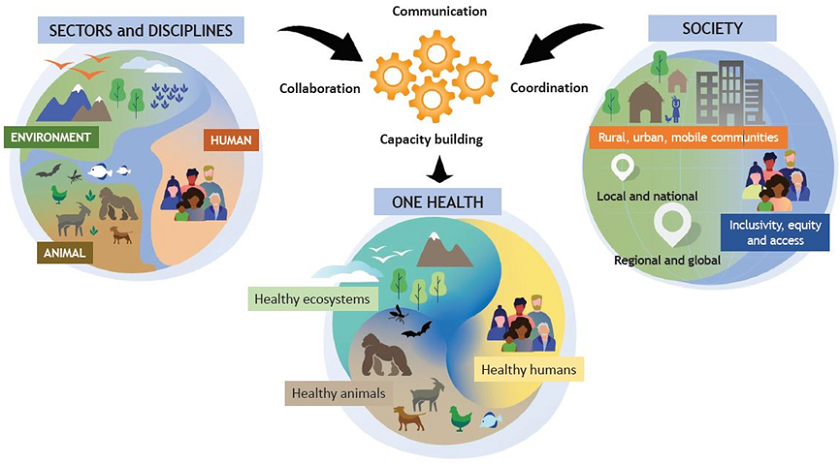
Addressing this complex issue requires community-level education about the dangers of antibiotic misuse and resistance and the integration of traditional healers into public health campaigns. In Ethiopia, a pilot program involving traditional healers in public health training has shown some success. By educating healers about the proper use of antibiotics, they can better guide patients and work in partnership with medical professionals.
Dr. Alem Habte, who works in the Ethiopian Ministry of Health, underscores this point: “We cannot simply dismiss traditional medicine. It is a deeply respected practice in many communities. We need to create a dialogue between traditional healers and modern medicine to ensure that antibiotics are used correctly.”

The intersection of traditional medicine and modern healthcare presents a unique challenge in Africa’s battle against antibiotic resistance. While conventional practices hold cultural significance and value, their improper use alongside antibiotics exacerbates the AMR crisis. Tackling this issue will require a concerted effort to bridge the gap between cultural beliefs and scientific understanding, ensuring communities know the importance of using antibiotics correctly.
If not addressed, the combination of conflict, limited healthcare access, and the improper blending of traditional and modern medicines could further drive Africa toward a healthcare disaster where antibiotics lose their effectiveness entirely.
The Nobel Peace Prize 2019 was awarded to Abiy Ahmed Ali "for his efforts to achieve peace and international cooperation, and in particular for his decisive initiative to resolve the border conflict with neighbouring Eritrea"