
Awot Haileslassie Gebrekidan| Mekelle, Tigray — Ethiopia
Mekelle, Tigray – The war in Tigray may have slowed, but the death toll continues to mount in silence — this time not from bullets or bombs, but from hunger. District officials and health experts warn that famine and conflict-driven displacement are killing hundreds across the region, with mothers and children hit the hardest.
In the Abergele district of Chila zone, authorities confirmed that 91 people died of hunger in just the past four months. “Our woreda has been hit by severe famine, and human and animal deaths continue,” said Alemayehu Gebremariam, head of the social sector for Abergele. “Since September, 91 people have died. The death toll could rise if urgent aid is not received.”
The figures are echoed in Atsbi Woreda, another famine-stricken district bordering Afar, where 138 people have died since September. According to Atsbi Health Office head Selomun Girmay, the impact on women and children is catastrophic. “We were able to confirm that 96 percent of the mothers surveyed are malnourished. When we look at the data from children, 67 percent of children in our woreda are malnourished,” he said. “If there is no immediate response, the danger will be worse.”
Mothers and Children on the Edge
The collapse of health services during the two-year conflict has left mothers and children disproportionately exposed. Pregnant women face life-threatening deliveries without medical care. Malnourished mothers are giving birth to underweight babies, while children are succumbing to hunger-related illnesses such as diarrheal disease, pneumonia, and severe acute malnutrition.
“Child mortality has increased fourfold compared to before the war,” said Dr. Amanuel Haile, head of the Tigray Health Bureau, at a recent maternal and child health forum. He stressed that 61 percent of pregnant and lactating mothers in Tigray are already facing hunger.
Famine as a Weapon of War
The deaths are not an accident of drought alone but a direct legacy of war and displacement. Fighting destroyed over 80 percent of Tigray’s health facilities, looted harvests, and decimated livestock, leaving families without income or food. Farmers in Abergele say that their cattle and goats — lifelines for milk and survival — are disappearing. “The animals that are the farmers’ resources are also dying,” said Alemayehu.
The famine has been compounded by the suspension of international food aid, after the World Food Programme (WFP) and USAID halted deliveries in mid-2023, citing diversion and corruption. This left millions without rations.
A Region in Crisis
The newly formed Emergency Response Committee for Tigray, which brings together regional officials, opposition parties, civil society groups, and religious leaders, has started mobilizing funds and aid. Officials say 4.5 million people need food aid. Deputy Governor for Emergency Response Tesfay Gebre-Egziabher warned that the region requires 10 million quintals of grain — worth 40 billion birr — to save lives.
“The government has stated that 4.5 million people are in need of aid. To help these people in need, 10 million quintals of grain, or 40 billion birr, must be collected,” Tesfay said.
The committee has pledged to deliver 64,000 quintals of food aid in its first round, but questions of transparency threaten to undermine the effort. Opposition leaders, including Alula Hailu of the Salsay Weyane party, have resigned from the committee, citing “lack of transparency, accountability, and institutionalization.”
“The committee’s procedures lack transparency and are prone to corruption,” Alula wrote in a letter to Tigray President Getachew Reda.
Hunger’s Hidden Toll
Behind the numbers are families torn apart. In Atsbi, health workers describe mothers too weak to breastfeed, children collapsing from hunger on their way to food distribution centers, and funerals that have become part of weekly life. Aid workers warn that the crisis is not merely food insecurity but outright famine in some pockets.
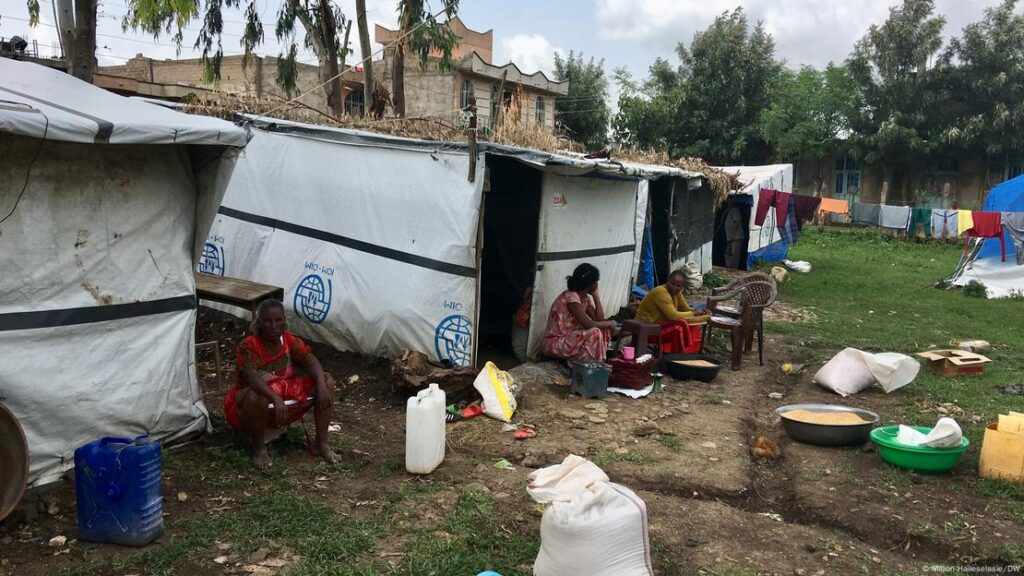
The hunger crisis is also driving new displacement, with families leaving their villages in search of food. This internal migration is swelling the burden on urban centers and camps, already struggling with scarce supplies.
Humanitarian experts stress that hunger now threatens to reverse the fragile post-war recovery in Tigray. The collapse of farming systems, combined with malnutrition among mothers, raises fears of a “lost generation” of children suffering irreversible stunting and long-term health damage.
What Comes Next?
With food aid pipelines frozen and regional relief efforts mired in controversy, the people of Tigray are running out of options. Experts warn that deaths will continue unless international actors urgently restore humanitarian operations and push for accountability mechanisms to safeguard aid.
“The death toll has slowed slightly, but only because families are sharing whatever little they have,” Alemayehu Gebremariam explained. “This is not sustainable. Without urgent intervention, the toll will rise again.”
The crisis reveals the bitter afterlife of conflict: even when the guns go silent, hunger kills quietly. In Tigray, it is mothers and children who are paying the highest price.
Social crises after the end of the war
Even after the end of the war, various social problems created by the war have been widely seen in the Tigray Region, especially hunger, which has been the cause of many deaths, according to various studies and information collected from the community. A recent study conducted jointly by health professionals in Tigray Region and Mekelle University indicates that more than 1,320 people have died due to hunger in Tigray Region since the Pretoria Agreement, which ended the war.
The researchers, who state that hunger is the main cause of death in the Tigray Region, indicate that 68 percent of the deaths in the areas studied after the agreement were related to hunger. Most of the people who are dying every day due to hunger in the Tigray Region are those who were displaced from their homes due to the war and are still in shelters.
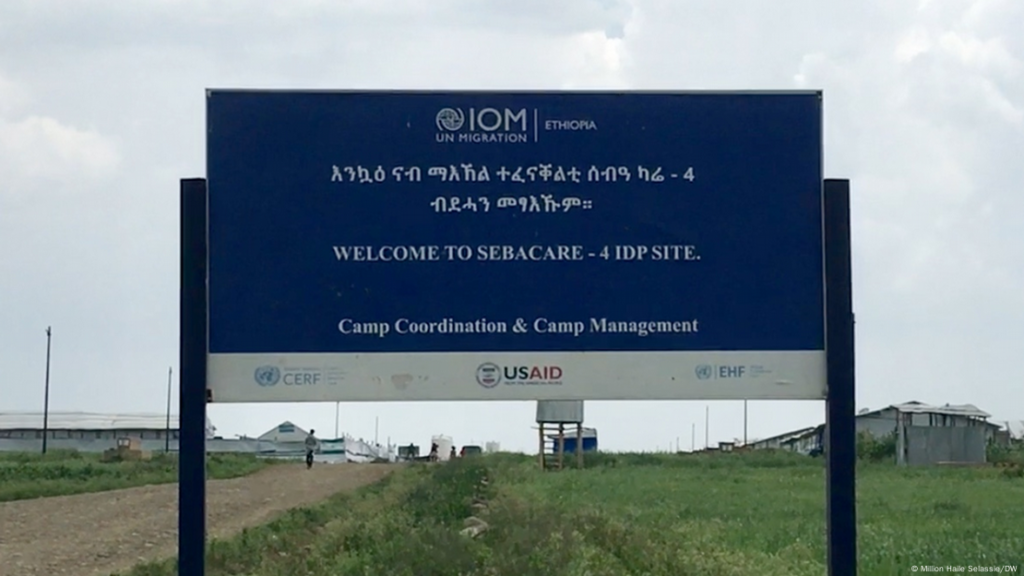
Displaced people in various areas told us that the elderly, infants and people with chronic diseases are more vulnerable to hunger and are at risk of death. Ato Gidey Igbo, a family leader who lives in Mekelle’s Seba Kare IDP camp and was displaced from western Tigray in 2013, said that even today, a woman in her early twenties has died of hunger-related causes.
Outside Mekelle, displaced people in the towns of Bashir and Abiy Adi also say that they are facing severe hunger due to a prolonged lack of aid. Ato Gebremalgam, an IDP we spoke to who is sheltering at the Shere Tsehaye school, said that since May, many people he knows have died of hunger.
The cessation of aid has exacerbated the problem
Another IDP in Mayweyne, Mebrahtu Wolde-Aregay, said that if the food aid supply continues to be restricted, the future will be even worse than the past. “Even in our village, there are many people whose legs are swollen due to hunger, who are sick, and who cannot get out of bed. Children are crying because they are hungry. Apart from some food that some volunteers are giving us, there is no such thing as aid. If this continues, it can be seen that a worse disaster is coming,” he said.
It has been more than 8 months since international donors stopped providing aid to people in need, including displaced people, in Tigray. The federal government and other bodies, including the regional administration, have repeatedly called for the continued supply of food aid.
ትግራይ ዉስጥ በረሐብ የሚሞተዉ ሰዉ ቁጥር እየጨመረ ነዉ
የአበርገለ የጭላ ወረዳ ባለስልጣናት እንዳስታወቁት ደግሞ በወረዳቸዉ ባለፉት አራት ወራት ብቻ ረሐብ 91 ሰዎች ገድሏል።የቤት እንስሳትም እያለቁ ነው ተብሏል።በክልሉ የተቋቋመው አስቸኳይ ምላሽ ለትግራይ የተባለ ኮሚቴ በበኩሉ ከተለያዩ አካላት ገንዘብ በማሰባሰብ ለችግረኛዉ ሕዝብ የምግብ እርዳታ የማቅረብ መጀመሩን አስታዉቋል።
ካለፈዉ መስከረም ወዲሕ በሁለት ወረዳዎች ብቻ ከ220 በላይ ሰዎች ሞተዋል
በትግራይ ክልል በረሐብ የሚሞተዉ ሰዉ ቁጥር እየጨመረ ነዉ
በሁለት ወረዳዎች ብቻ ካለፈዉ መስከረም ወዲሕ ከ220 በላይ ሰዉ ሞቷል
በትግራይ ክልል በረሃብና ረሐብ በሚያስከትለዉ በሽታ የሚሞቱት ሰዎች ቁጥር እየጨመረ መሆኑ የተለያዩ ወረዳዎች ባለስልጣናት እስታወቁ።አፅቢ ወረዳ ዉስጥ ካለፈዉ መስከረም ወዲሕ 138 ሰዎች በረሐብ መሞታቸዉን የወረዳዉ ባለስልጣናት አስታዉቀዋል።የአበርገለ የጭላ ወረዳ ባለስልጣናት እንዳስታወቁት ደግሞ በወረዳቸዉ ባለፉት አራት ወራት ብቻ ረሐብ 91 ሰዎች ገድሏል።የቤት እንስሳትም እያለቁ ነው ተብሏል።በክልሉ የተቋቋመው አስቸኳይ ምላሽ ለትግራይ የተባለ ኮሚቴ በበኩሉ ከተለያዩ አካላት ገንዘብ በማሰባሰብ ለችግረኛዉ ሕዝብ የምግብ እርዳታ የማቅረብ መጀመሩን አስታዉቋል።ይሁንና ኮሚቴዉ ግልፅነት ይጎድለዋል የሚል ተቃዉሞ ገጥሞታል።
በትግራይ ከተካሄደ የሁለት ዓመት ጦርነት በኃላ በክልሉ የተከሰተው መጠነ ሰፊ ድርቅ ያስከተለው ረሃብአሁንም የበርካቶች ሕይወት መቅዘፍ መቀጠሉ መረጃዎች ያመለክታሉ። በክልሉ በረሃብ በከፍተኛ መጠን ከተጎዱ ወረዳዎች መካከል ከሆነችው ከአበርገለ የጭላ ወረዳ ያገኘነው መረጃ እንደሚያመለክተው ከመስከረም ወር ወዲህ ባለው ግዜ የ91 ሰዎች ሕይወት በረሃብ ምክንያት ማለፉ የወረዳዎ የአስተዳደር አካላት ይገልፃሉ። እንደባለስልናቱ ገለፃ በአሁኑ ወቅት፥ ረሃብ ላይ ላሉ ዜጎች የተለያዩ ለጋሽ አካላት የተወሰነ ድጋፍ ማድረግ መጀመራቸው ተከትሎ ካለፉት ወራት ጋር ሲነፃፀር የሞት መጠኑ የቀነሰ ቢሆንም፥ አሁንም አሳሳቢ መሆኑ እንዲሁም የገበሬው ሃብት የሆኑ እንስሳትም የሚበሉት አጥተው እያለቁ ስለመሆኑ ያስረዳሉ። የአበርገለ የጭላ ወረዳ የማሕበራዊ ዘርፍ ሐላፊ አቶ አለማየሁ ገብረማርያም ለዶቼቬለ እንደገለፁት ወረዳው የከፋ ረሃብ እንደተከሰተበት፥ የሰው እና የእንስሳት ሞት እንደቀጠለበት ያነሳሉ።
ለረሐብ ለተጋለጠዉ ህዝብ «አስቸኳይ ርዳታ ካልደረሰ የሞቱ ቁጥር ሊጨምር ይችላል» ባለሙያዎችለረሐብ ለተጋለጠዉ ህዝብ «አስቸኳይ ርዳታ ካልደረሰ የሞቱ ቁጥር ሊጨምር ይችላል» ባለሙያዎች
የጤና ባለሙያዎች እንደሚሉት በአፅቢ ወረዳ ለምግብ እጥረት ከተጋለጡት አብዛኞቹ ሕፃናትና እናቶች ናቸዉ
“በጥቅምት መጨረሻ እና ሕዳር መጀመርያ ከነበረው በረሃብ ምክንያት የሚሞት የሰው ቁጥር ብዛት አሁን ላይ ትንሽ ቀዝቀዝ ብሏል። ምክንያቱ ደግሞ ሰዎች በጣም ለተቸገሩት በተናጠል እርዳታ እያቀረቡ በመሆኑ ነው። ይሁንና ያልነበረ የእንስሳት ሞት ተበራክቷል። በአጠቃላይ ያለው መረጃ ሲታይም ከመስከረም ወር ወዲህ ባለው ግዜ በወረዳችን ብቻ 91 ሰዎች በረሃብ ምክንያት ሞተዋል። አሁንም አስቸኳይ እርዳታ ይፈለጋል” ሲሉ አቶ አለማየሁ ገብረማርያም ይገልፃሉ።
ሌላው በትግራይ የከፋ ረሃብና የታየባቸው ተብለው ከሚጠቀሱ ወረዳዎች መካከል በክልሉ ምስራቃዊ ዞን የምትገኘው እና ከአፋር ክልል ጋር የምትዋሰነው አፅቢ ወረዳ ሌላኛዋ ነች። በአፅቢ ረሃቡ በተለይም በህፃናት እና እናቶች ይበልጥ ከፍቷል። የአፅቢ ጤና ፅሕፈት ቤት ሐላፊ አቶ ሰለሙን ግርማይ እንደሚሉት ከሆነ፥ በወረዳው በተደረገ ጥናት መሰረት 96 ከመቶ እናቶች እንዲሁም 67 በመቶ የሚሆኑ ህፃናት ለረሃብ ተጋልጠው እንዳለ የጤና ባለሙያዎች ባደረጉት የዳሰሳ ጥናት መረጋገጡ ይናገራሉ። አቶ ሰለሙን “ጥናት ከተደረገባቸው እናቶች መካከል 96 በመቶ የምግብ እጥረት እንዳለባቸው ለማረጋገጥ ችለናል። በህፃናት በኩል ያለው መረጃ ስንመለከት ደግሞ 67 በመቶ የሚሆኑ በወረዳችን የሚገኙ ህፃናት የምግብ እጥረት ላይ መሆናቸው ባደረግነው ዳሰሳ አረጋግጠናል። ረሃቡ በተለይም በእናቶች እና ህፃናት ላይ ከፍተኛ ጉዳት እያስከተለ መሆኑ፥ ፈጣን ምላሽ ካላገኘ ደግሞ አደጋው የከፋ እንደሚሆን ነው ይህ የጤና ባለሙያዎች ጥናት የሚያስረዳን” ይላሉ።
በአጠቃለይ በአፅቢ ወረዳ ከመስከረም ወር ወዲህ ባለው ግዜ 138 ሰዎች በረሃብ ምክንያት መሞታቸው በአስተዳደሩ ተገልጿል። ይህ በእንዲህ እንዳለ በትግራይ ለተከሰተው ረሃብ ምላሽ ለመስጠት የትግራይ ግዚያዊ አስተዳደር በቅርቡ ያቋቋመው አስቸኳይ ምላሽ ለትግራይ የተባለ የክልሉ አስተዳደር፣ ተቃዋሚ የፖለቲካ ፓርቲዎች፣ ሲቪል ማሕበራት፣ የሃይማኖት ድርጅቶች፣ ታዋቂ ግለሰቦች እና ባለሃብቶች ያካተተ ኮሚቴ የመጀመርያ ዙር የምግብ እርዳታ ለተራቡት ማቅረብ መጀመሩ አስታውቋል። እንደኮሚቴው ገለፃ በትግራይ በረሃቡ ምክንያት የእርዳታ ጠባቂዎች ቁጥር ወደ 4 ነጥብ 5 ሚልዮን ማደጉ ያስታወቀ ሲሆን ፥ ከነዚህ መካከል ለተወሰኑ የሚሆን 64 ሺህ ኩንታል እህል እስከ ነገ ረቡዕ ድረስ ለተረጂዎች ለማድረስ እንቅስቃሴ ላይ መሆኑ ገልጿል።
ኮሚቴዉ ርዳታ እንደሚያከፋፍል አስታዉቋል፤ ተቃዉሞ ገጥሞታልምኮሚቴዉ ርዳታ እንደሚያከፋፍል አስታዉቋል፤ ተቃዉሞ ገጥሞታልም
ትግራይ ክልል በረሐብ ለተጎዳዉ ህዝብ ርዳታ የሚያሰባስብና የሚያከፋፍል ኮሚቴ ተመስርቷል
የአስቸኳይ ምላሽ ለትግራይ ምክትል ሰብሳቢ አቶ ተስፋይ ገብረእግዚአብሔር “4 ነጥብ 5 ሚልዮን ህዝብ እርዳታ ፈላጊ መሆኑ መንግስት ገልጿል። ይህ ረሃብ ላይ ያለ ህዝብ ለመርዳታ 10 ሚልዮን ኩንታል እህል አልያም 40 ቢልዮን ብር መሰብሰብ ያስፈልጋል። ይህ ለማሰባሰብ ነው ኮሚቴው እየሰራ ያለው” ብለዋል።
በትግራይ የምግብ እርዳታ ላይ ዝርፍያ ተፈፅሟል ተብሎ ዓለምአቀፍ ተቋማት አቅርቦታቸው አቋርጠው እንደቆዩ ይታወቃል። ይህ በእንዲህ እንዳለ በክልሉ አስተዳደር በተቋቋመው የእርዳታ አሰባሳቢ ኮሚቴ አባል የነበሩ የተወሰኑ አባላት ደግሞ የኮሚቴው አሰራር ግልፅነት የጎደለው እና ለሙስና የተጋለጠ በማለት ራሳቸው አግልለዋል። ከነዚህ መካከል የሆኑት የተቃዋሚው የፖለቲካ ፓርቲ ሳልሳይ ወያነ ትግራይ ሊቀመንበር አቶ አሉላ ሃይሉ፥ ግልፅነት የጎደለው፣ ተጠያቂነት የሌለው እንዲሁም ተቋማዊ አሰራር የማይከተል የሃብት አሰባሰበ ዘዴ እንደማይቀበሉ ለክልሉ ፕሬዝደንት ጌታቸው ረዳ ደብዳቤ በመፃፍ ከኮሚቴው አባልነት ራሳቸው ማግለላቸውን አስታውቀዋል። የባይቶና ጨምሮ ሌሎች አባላትም እንዲሁ ራሳቸው ከሀብት አሰባሳቢ ኮሚቴው ማገልገላቸው በይፋዊ ገፃቸው እያስታወቁ ነው። በትግራይ ያለው ለረሃብ የተጋለጠ እርዳታ ፈላጊ ህዝብ ለመድረስ በሚደረግ ጥረት፥ ስርቆትና ማጭበርበር ፈተና ሆኖ እንዳለ ሲገልፁ ይስተዋላል።
የሐሰት ዜና ምንድን ነው? FAKE NEWS
የሐሰት ዜና fake news ለአንባቢያንን/ ለተከታዮቻቸው የሚያሳስት ዜናን ወይም መረጃን ሆን ብሎ (intentional) የማሰራጨት ተግባር ነው። የተሳሳተ መረጃ misinformation ስንል ግን ትክክል ወዳልሆነ ወይም ወደተሳሳተ አቅጣጫ ሊመራ የሚችል መረጃ ማለት ሲሆን፤ በታማኝ ዘጋቢዎች ስህተት ወይም ትክክለኛ ትርጉሙን ካለመረዳት ሳይታሰብበት (unintentionally) የሚሰራጭ መረጃ ነው። የሐሰት ዜና ወይም የተሳሳተ ይዘት ያለው ኢንፎርሜሽን በንግግር፣ በጽሁፍ፣ በህትመት፣ በኤሌክትሮኒክስ፣ በዲጂታል ሚዲያዎች ቅርጽ […]