
Volume 101, 2025, EMMA NEWS By Meseret Abebe Abay
Fighting disinformation through fact-checking, data protection, and accountable digital governance
In Ethiopia’s rapidly evolving digital environment, information travels across social media platforms, messaging applications, websites, and online news outlets at extraordinary speed. These technologies create opportunities for public participation, education, and access to information. Yet they also raise difficult questions about the spread of false information, the misuse of personal data, and the growing influence of artificial intelligence on what people see and believe online.
Misinformation, disinformation, manipulated content, and hate speech can damage reputations, deepen social divisions, and undermine public confidence in journalism. AI-generated images, fabricated audio recordings, impersonation accounts, and misleading videos make it increasingly difficult for audiences to distinguish authentic material from deceptive content.
But an important question remains underexplored: What role do personal data, digital platforms, and automated recommendation systems play in determining which false narratives reach which audiences, and with what consequences?
This feature will investigate the relationship between disinformation, personal-data protection, and digital governance in Ethiopia, drawing on the country’s Personal Data Protection Proclamation No. 1321/2024 and the wider debate over accountability in the digital economy.
The data behind digital deception
Digital platforms can use information about users’ interests, interactions, and online behaviour to personalize content and advertisements. Depending on how these systems operate, recommendation mechanisms may help distribute misleading material to particular audiences or reinforce existing beliefs.
However, the precise relationship between personal-data processing and the spread of disinformation must be established through evidence rather than assumption. The proposed investigation will examine how platforms’ data practices, content-recommendation systems, and advertising models may influence the circulation of misleading information in Ethiopian digital spaces.
The investigation will explore whether users understand how their information is collected and processed, what transparency is available about content recommendations, and whether effective safeguards exist against the misuse of personal information for deceptive targeting.
Ethiopia’s Personal Data Protection Proclamation No. 1321/2024 provides an important legal framework for examining these questions. The reporting will assess the law’s relevant protections and limitations, the practical availability of remedies, and the extent to which citizens can understand and exercise their data rights.
Artificial intelligence and the changing nature of truth
Generative AI has lowered the barriers to producing convincing synthetic images, voices, and videos. Although these technologies have legitimate applications in journalism, education, and creative work, they can also be exploited to impersonate individuals, fabricate events, or give false narratives the appearance of credibility.
For Ethiopian journalists, the challenge is particularly significant when manipulated content circulates in multiple languages or during periods of heightened public tension. A fabricated recording or misleading image can spread widely before a newsroom has the time or technical resources to authenticate it.
The investigation will examine how journalists and fact-checkers identify manipulated media, what verification tools are accessible to local newsrooms, and whether digital platforms provide sufficient transparency and support for detecting deceptive content.
It will also consider how privacy and consent should be respected when journalists investigate suspected deepfakes, use AI-assisted verification tools, or publish evidence involving identifiable individuals.
Fact-checking is essential, but accountability must go further
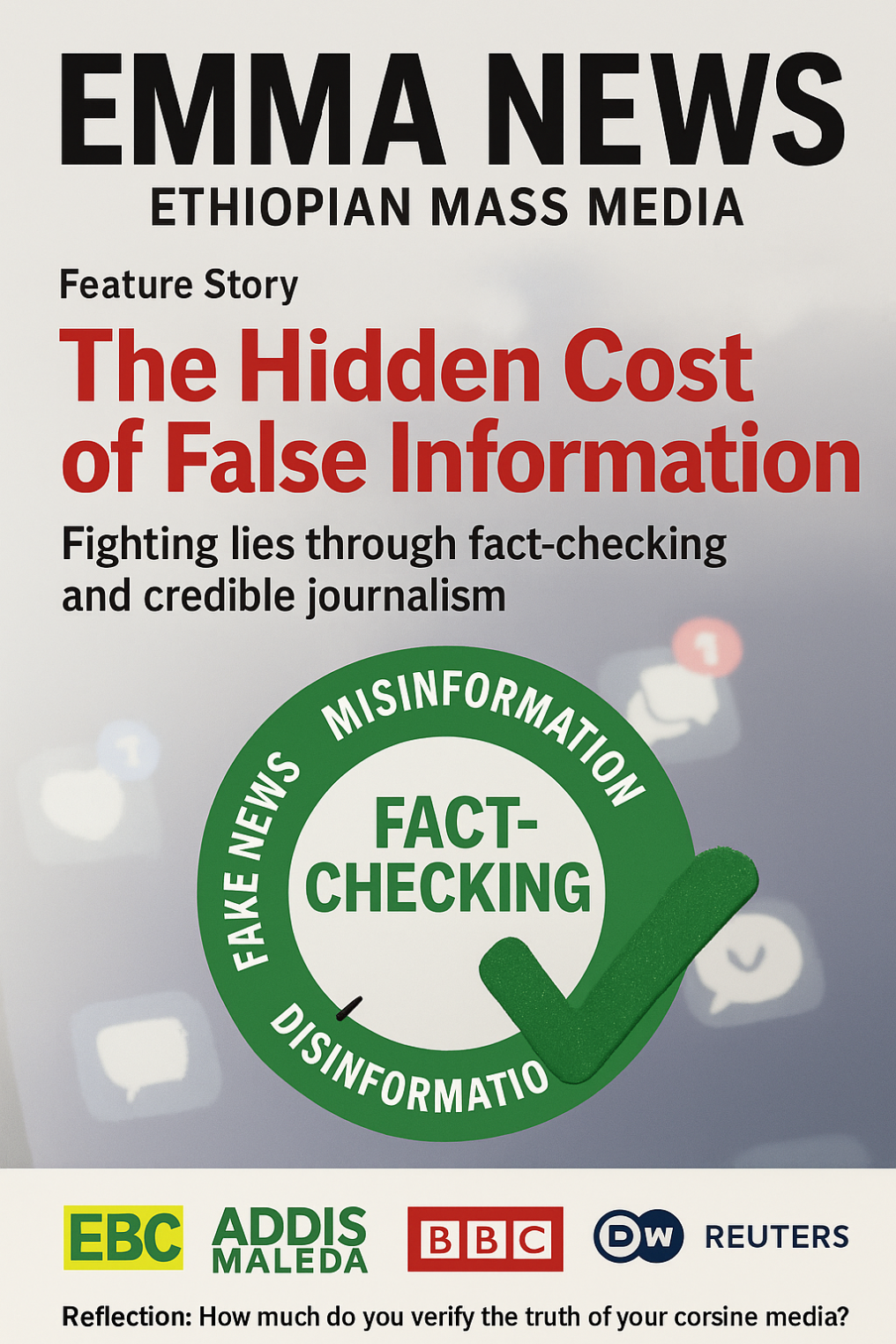
My previous article, The Hidden Cost of False Information, published in EMMA NEWS, Volume 101 (2025), highlighted the importance of fact-checking, media literacy, and credible journalism in responding to false narratives.
This proposed feature builds on that work by asking a broader digital-governance question: are verification and public awareness sufficient when the systems through which information circulates remain difficult for users and independent researchers to scrutinize?
Fact-checking can correct false claims, but corrections do not always reach the same audiences as the original material. Media literacy helps people evaluate sources, but individual users cannot independently inspect every algorithm or determine how their personal data is processed.
The investigation will therefore consider the responsibilities of technology companies, public institutions, media organizations, regulators, and users. It will explore practical approaches to platform transparency, privacy protection, independent verification, accessible complaints mechanisms, and stronger collaboration between journalists and digital-rights organizations.
Ethiopia’s legal framework and the right to reliable information
Ethiopia’s data protection legislation creates an opportunity to examine how personal privacy can be protected while preserving freedom of expression, access to information, and legitimate public-interest journalism.
The article will investigate the practical relationship between data protection, digital-platform accountability, and fact-checking. It will ask whether citizens have sufficient information about the use of their data, whether complaints concerning personal-data misuse can be addressed effectively, and how regulatory institutions respond to emerging risks involving AI and digital communication.
It will also examine the boundaries of responsible intervention. Measures against disinformation should not automatically equate criticism, disagreement, satire, or legitimate reporting with deliberate deception. Responses to harmful content must be evidence-based, proportionate, transparent, and consistent with applicable human-rights protections.
Through interviews with legal experts, regulators, journalists, fact-checkers, technology researchers, and affected citizens, the investigation will distinguish documented incidents from unverified allegations and identify areas where further evidence is needed.
Bringing Ethiopia’s experience to the global digital governance debate
The proposed feature will connect Ethiopia’s experiences to wider discussions at the 21st Internet Governance Forum in Nairobi, particularly digital trust and accountability, human rights online, digital inclusion, and the ethical implications of emerging technologies.
Its central argument is that reliable information and personal privacy are interconnected elements of a trustworthy digital environment. Protecting people from deceptive information requires more than asking them to verify what they read. It also requires examining the systems that collect personal data, distribute content, facilitate advertising, and influence online visibility.
The intended outcome is an accessible, evidence-based investigative article offering practical recommendations for policymakers, technology companies, journalists, civil society, and the public.
Ultimately, the investigation will ask: How can Ethiopia and other countries in the Global South build digital environments where information can circulate freely, personal data is protected, AI is used responsibly, and platforms are accountable for the systems they operate?
In today’s digital age, information flows faster than ever before. Social media platforms and artificial intelligence tools have revolutionized communication, making it easier to access news, education, and entertainment. Yet, this progress has a darker side—the rise of false information.
Fake news, misinformation, disinformation, malinformation, and hate speech are spreading widely across digital spaces, often disguised as authentic content. From fabricated videos of politicians to AI-generated images of celebrities, false narratives are damaging reputations and fueling anger in society.
One of the biggest dangers lies in how quickly these stories gain traction. A fake headline can circulate through thousands of accounts before fact-checkers or credible outlets have time to respond. By then, the harm is already done—relationships are strained, communities are divided, and trust in the media has eroded.
Misinformation is often spread unintentionally when users share information without verifying it. Disinformation, on the other hand, is created deliberately to mislead. Malinformation uses real facts but twists them out of context, while hate speech targets groups with insults and threats. Together, they create a toxic environment that undermines social values.
The solution lies in strengthening fact-checking and promoting media literacy. Credible outlets such as EBC, Addis Maleda, BBC, DW, and Reuters play a vital role by verifying information before publishing. But responsibility also rests with each user. Before reacting, forwarding, or sharing, it is essential to ask: Is this true? Where is it coming from?
False information is not just a nuisance—it has real consequences. It can incite violence, erode trust in institutions, and weaken democracy itself. To protect society, we must build a culture of critical thinking, where truth is valued more than speed, and credibility matters more than clicks.
The challenge is urgent. As technology continues to evolve, so too will the tools of deception. But with vigilant fact-checking, responsible journalism, and cautious audiences, the hidden cost of false information can be reduced—and truth can reclaim its place at the center of public life.
በማህበራዊ ሚዲያ ላይ የማያቸው አብዛኛዎቹን መረጃዎች በተለይም አጠራጣሪ ወይም ስሜት የሚነኩ የሚመስሉ ከሆነ ለማረጋገጥ እሞክራለሁ። ብዙ ጊዜ፣ ከማመን ወይም ከማጋራቴ በፊት ብዙ ታማኝ ምንጮችን እፈትሻለሁ ወይም ታማኝ የሚዲያ አውታሮች እንዲያረጋግጡ እጠብቃለሁ። የውሸት እና የጥላቻ ይዘት ጉዳቱ በጣም ከፍተኛ ነው፡፡ በደቂቃዎች ውስጥ መልካም ስም ሊያጠፋ፣ ፍርሃት ሊፈጥር አልፎ ተርፎም በማህበረሰቦች መካከል ግጭት እንዲፈጠር ሊያደርግ ይችላል። በአንድ ወቅት አንድ የህዝብ ሰው በሙስና ምክንያት “ስልጣኑን ለቅቋል” የሚል የቫይረስ ፖስት አጋጥሞኝ ነበር ፣ ግን በኋላ ሙሉ በሙሉ የውሸት ሆነ። እውነት በወጣበት ጊዜ ብዙ ሰዎች ጠንከር ያሉ አሉታዊ አስተያየቶችን አመለካከቶችን በሰውየው ላይ አንፀባርቀዋል፡፡ የሀገራችን ብሂል እንደሚለው ከአፍ የወጣ ቃል ፤ ከእጅ የወደቀ እንቁላል ነው፡፡ መመለስም ፤ ማረምም ችግሩን አንዳንዴ አይቀርፈውም፡፡ ሌላው ለጋዜጤኞች ሀቀን በማጣራት ቴክኒኮች ዙሪያ እየዞርኩ በሀገሪቱ ለሚገኙ የማህበረሰብ ሬዲዮ ሳሰልጥን በአንዱ የኢትዮጵያ ክፍል የገመጠኝን ላካፍላችሁ… እውነት ምንድን ነው ፡፡ እውነተኛ መሆኑን እንዴት እናረጋግጣለን ስል ጠየኳቸው፡፡ የሰጡኝ መልስ ማን ነው የተናገረው የሚለው በማየት ነው አሉ፡፡ መልካም ተናጋሪውስ ትክክለኛ መሆኑ መረጃው የፕሮፓጋንዳ ቀለም፤ የተዛባ መረጃ፣ የተበከለ መረጃ፣ ሐሰተኛ መረጃ መሆኑን ቢሆን እንዴት ተናጋሪውን እናረጋግጠው የሚል ነው፡፡ በማህበራዊ ሚዲያ ትክክለኛ እና እውነት ማለት ከእነሱ ብሄር የሆነ ሰው የተናገረው መሆኑን ሲነግሩኝ፡፡ በእርግጥ ተፅኞ ፈጣሪዎች በቀላሉ የመታመን እድል ቢኖራቸው ፡ የሚዲያ ትምህርት ግን እጅግ አሰፈላጊ መሆኑን ተገንዝቢያለሁ፡፡ ይህ ተሞክሮ ምላሽ ከመስጠታችን ወይም ከማካፈላችን በፊት እውነታዎችን የማጣራት አስፈላጊነት አስተምሮኛል።
በኢትዮጵያም ሃሰተኛ መረጃዎችን እና የጥላቻ ንግግሮችን ለመከላከል ታስቦ የጸረ-ጥላቻና ሃሰተኛ መረጃዎች አዋጅ መውጣቱ ይታወሳል፡፡ አዋጁ በአንድ በኩል የሃገር ሰላምና የሕዝቦችን ደህንነት ከመከላከል አንጻር የሚታዩ ችግሮችን ለመቅረፍ ከሚወሰዱት እርምጃዎች መካከል አንዱ ሲሆን፤ በአንጻሩ ደግሞ በትክክል ካልተተገበረ የመናገር ነጻነት ላይ ጥላ ሊያጠላ ይችላል፡፡ ጥፋት የሚፈጽሙ አካላትን በሕግ አግባብ ተጠያቂ ከሚያደርጉ አሰራሮች በተጭማሪ በስነ-ምግባርና የተቀናጀ የመከላከል ስራ ጫናውን ለመቀነስ ስለሚረዳ ሌሎች ተጨማሪ ስራዎችንም መስራት ይጠይቃል፡፡ ሃሰተኛ መረጃዎች የሚያደርሱትን መጠነ-ሰፊ ጉዳት ከመቀነስና ከመከላከል አንጻር የብዙሃን መገናዎች ሚና ከፍተኛ መሆኑ ይታወቃል፡፡
የብዙሃን መገናኛዎች ስራ የተለያዩ ጠቃሚ ይዘቶችን አዘጋጅቶ ለህዝብ ማድረስ ከመሆኑ አንጻር የሃሰተኛ መረጃዎች የሚያስከትሉትን የጥፋት ውጤት ለመቀነስ እና በሂደትም ህዝቡ በመረጃ አጠቃቀምና አረዳድ ላይ የሚኖረውን ንቃተ-ህሊና ከመጨመር አኳያ የሚኖራቸው ሚና የጎላ መሆኑን ያለምንም ማመንታት መግለጽ ያስፈልጋል፡፡ ይህን ለማድረግ መረጃዎችን በማጣራትና በማረጋገጥ ላይ አበክሮ የሚሰራ መዋቅር መዘርጋት ያስፈልጋል፡፡ በዓለም ዓቀፍ የሚገኙ ታላላቅ የብዙሃን መገናኛዎች የራሳቸው የመረጃ ማጣሪያ ዴስክ በማቋቋም እየሰሩ መሆናቸው ጉዳዩ ምን ያክል አሳሳቢና የተቀናጅ ጥረት እንደሚጠይቅ በማያሻማ ሁኔታ ያመላክታል፡፡
ሀሰተኛ መረጃዎች በማህበረሰብ እና ህብረተሰቡ ውስጥ በተለያየ ጊዜ በተለያየ ቅርጽ እና ሁኔታ ሲናፈሱ የቆዩ ቢሆንም በአሁኑ ጊዜ ግን በከፍተኛ ፍጥነት የመዛመት እና መጠነ-ሰፊ የሆነ ጉዳት የሚያደርሱ በመሆኑ ከፍተኛ ትኩረትን ስበዋል፡፡ የማህበራዊና የኦን ላይን ሚዲያው መስፋፋቱን ተከትሎ የሃሰተኛ መረጃዎች የመሰራጨት አቅም በእጅጉ የጨመረና የፈጠነ ሆኗል፡፡ ሀሰተኛ መረጃዎች ከእውነተኛ መረጃዎች በይበልጥ የሰውን ጀሮ የሚስቡ በመሆናቸውና በቀላሉ የሚረሱ ወይም የሚጠፍ ባለመሆናቸው መዘዛቸው ከፍ ያለ ነው፡፡ ሀሰተኛ መረጃዎች የተለያየ ዓለማን አንገበው በተለያዩ አካላት የሚዘጋጁ ቢሆንም ከሞላ ጎደል ሁሉም አይነት ሀሰተኛ መረጃዎች በተለያዩ አካላት ላይ ጉዳት የሚያደርሱ በመሆናቸው የህብረተሰቡን ሰላምና ደህንነት እና የተቋማትን መደበኛ እንቅስቃሴ በአጅጉ እየተፈታተኑት ይገኛሉ፡፡
የትኛውም ትክክለኛ ያልሆነ እና ከሁለትና በላይ በሆኑ ሰዎች መካከል የሚጋራ መረጃ በሃሰተኛ መረጃዎች ማዕቀፍ ውስጥ ሊካተት ይችላል፡፡ አንዳንድ ሰዎች በተለይ ባለስልጣናት ከሀሰተኛ መረጃዎች ይልቅ ሀሰተኛ ዜናዎች ማለትን ይመርጣሉ፡፡ ይህ አካሄድ በብዙ የሚዲያ ባለሙያዎች ዘንድ ችግር ያለበት አተያይ እንደሆነ ይገለጻል፡፡ በእርግጥ ሁሉም ሰው በፈለገውና በመረጠው ርዕሰ-ጉዳይ ላይ የተለያየ አንድምታ ያለው ይዘት አዘጋጅቶ ማጋራት የሚችል በመሆኑ እና መረጃን ከዜና ለይቶ ከመረዳት ይልቅ ሁለቱንም በአንድ ቋት የመጨፍለቅ አዝማሚያ መደበኛ የዜና ተቋማትን ለመምታትና ስራዎቻቸውን ለማጣጣል ለፖለቲከኞች ምቹ ሁኔታዎችን ፈጥሯል፡፡ ይህ አይነቱ ያልተገባ አገላለጽ በመደበኛ የሚዲያ ተቋማቱ እና ስራዎቻቸው ላይ ከፍተኛ ጥላሸት የሚቀባና በሂደትም ህዝቡ በሚዲያዎች ላይ የሚኖረውን አመኔታ ክፉኛ የሚሸረሽር፣ በሚዲያውና በህዝቡ መካከል የሚኖረውን ግንኙነት የሚያላላ፣ በጊዜ ሂደትም የሚዲያ ተቋማቱ የውሸት ፋብሪካ ተደርገው እንዲሳሉ የሚያደረግ አደገኛ አገላለጽ ነው፡፡
ሀሰተኛ ዜናዎችን የሚያስተላልፉ ሚዲያዎች የሉም ማለት አይደለም፡ ጥቅል የሆነው አገላለጽ ጥሩ ስራ የሚሰሩትን ሚዲያዎች ጨምሮ ጉድጓድ ውስጥ የሚከት ስለሆነ እንጂ፡፡ ሃሰተኛ መረጃዎች የሚያስከትሉት ጉዳት እጅግ ከፍተኛ ነው፡፡ በተለያየ ጊዜ አመጽ በመቀስቀስ በርካታ ንብረት እንዲወደም፣ ከምንም በላይ እጅግ ክቡር የሆነው የሰው ልጅ ህይዎት በከንቱ እንዲያልፍ ምክንያት ሲሆኑ ይስተዋላል፡፡ በተለይ ደግሞ ብሄርን መሰረት ያደረገ ፖለቲካ ስር በሰደደበትና የከፋፍለህ ግዛ ርካሽ የፖለቲካ ስትራቴጅ በነገሰበት ስርዓት፣ የመቻቻልና የማስተዋል ጥበብ ዝቅተኛ በሆነበት ሁኔታ፣ ልዩ ፍላጎታቸውን ለማራመድ ተግተው በድብቅ ሴራ የሚጎነጉኑ ግፈኞች በተበራከቱበት ሁኔታ፣ በስራ አጥነትና በተለያዩ የኑሮ ጫናዎች የተማረረ በሚሊዎኖች የሚቆጠር ወጣት ባለበት ሁኔታ፣ አስቸጋሪ አዝማሚያዎችን ቀድሞ በመገንዘብ በከፋ መልኩ ከመከሰታቸው በፊት የመቀልበስ ስራ ለመስራት አቅሙም ይሁን ዝግጁነቱና ፍላጎቱ እምብዛም በሆነበት ሁኔታ፣ ተገቢውን መረጃ ከመንግስት አካላት በአጭር ጊዜ ማግኘት አዳጋች በሆነበት፣ የዳበረና ጠንካራ የሚዲያ አሰራር በሌለበት፣ ሚዲያዎች የመንግስትን ፊትና ይሁንታ አይተው ለመንቀሳቀስ በሚዳዱበት እንዲሁም በተለያዩ ውስጣዊና ውጫዊ ጫናዎች ተወጥረው በሚፍጨረጨሩበት፣ ሃሰተኛ መረጃዎቸን በተደራጀ መልክ የማጣራት ስራና ልምድ ገና በእንጭጩ የሚገኝ በመሆኑ የሃሰተኛ መረጃዎችን መጠነ-ሰፊ ጉዳት መረዳት ይህን ያክል የተወሳሰብ ፍልስፍና አይሆንም፡፡
በመሆኑም ሃሰተኛ መረጃዎች የህዝብን አብሮ የመኖር እሴት የሚሸረሽሩ፣ ተከባብሮ እና ተዋዶ ለመኖር የሚረዱ አስተሳሳሪ ድሮች መንምነው እንዲቆረጡ የሚያደርጉ፣ የህዝብን ሰላምና ደህንነት በማወክ ወደ ተስፋ መቁረጥና ባስ ሲልም መረር ወዳለ ሁኔታ የሚገፋፉ ሁኔታዎችን እንዲፈጠሩ በማድረግ ረግድ አሉታዊ ተጽዕኗቸው ከፍተኛ ነው፡፡ ጠቅላይ ሚስትር አብይ አህመድ ጉዳት ስላጋጠማቸው ለህክምና ወደ ውጭ አገር ሄደዋል የሚል ጽሁፍ በማህበራዊ ሚዲያው መናፈሱን ተከትሎ የጠቅላይ ሚኒስትር ጽ/ ቤት በይፋዊ የትዊተር ገጹ ላይ “የጠቅላይ ሚኒስትር አብይ አህመድን ደህንነት አስመልክቶ በማህበራዊ ሚዲያ የሚናፈሰው ወሬ የሀሰት እንደሆነ ሁሉም ሰው እንዲገነዘብ ለማሳሰብ እንወዳለን” የሚል ምላሽ እንዲሰጥበት አድርጓል፡፡ ይህ ሃሰተኛ መረጃ በጥር ወር 2013 ዓ/ም አካባቢ ወደ ማህበራዊ ሚዲያው ብቅ ያለ ሲሆን በእየጊዜው የሚከሰተው ሀሰተኛ መረጃ ማሳያ አድርጎ መወስድ ይቻላል፡፡
የሃሰተኛ መረጃዎች መነሻ በአብዛኛው የተደበቀና በቀላሉ ለመለየት የሚያስቸግር በመሆኑ መረጃዎች ለሚያስከትሏቸው መዘዞች ተጠያቂ አካላትን ማግኘትና በህግ እንዲዳኙ የማድረግ ሂደት ቀላል አይደለም፡
፡ ሃሰተኛ መረጃዎችን ያስተላለፉና ያሰራጩ አካላትን ተከታትሎ የመያዝና ከድርጊታቸው እንዲቆጠቡ ለማድረግ አልፎ አልፎ እንቅስቃሴዎች ቢኖሩም በቁርጠኝነት እየተሰራባቸው እንዳልሆነ ግን ይታወቃል፡
፡ ከዚህ አንጻር በብዙ አገሮች ያለው ልምምድም ቢሆን ያን ያክል የሚያኮራ እና ልምድ የሚቀሰምበት እንዳልሆነ ይታወቃል፡፡ የመረጃዎች ዝግጅትና ስርጭት ሂደት ምን ይመስላል የሚለውን በመጠኑም ቢሆን መዳሰስ ያስፈልጋል፡፡
አንድ የሆነ አላማ ማሳካት የፈለገ ሰው የሃሰተኛ መረጃውን ሃሳብ ያመነጫል፡፡ ይህ ግለሰብ/ቡድን/ መረጃው ግቡን ሊመታ ይችላል ብሎ በሚያስበው መልክ ያዘጋጀውና መረጃው በመልዕክቱ አዘጋጅ ወይም በሌላ ሶስተኛ ወገን ወደ ማህበራዊ ሚዲያው ይለቀቃል፡፡ በዚህ መልክ የተሰናዳው ሃሰተኛ መረጃ የማህበራዊ ሚዲያውን ያጥለቀልቀውና መነጋገሪያ፣ ማደናገሪያ ወይም በመረጃው አስተሳሰባቸው የተለወጡ አካላት ወደ የሆነ ነገር ማድረግ ሂደት እንዲገቡ መነሻ ይሆናቸዋል፡፡ ነገር ግን የስነ-ተግባቦት ምሁራን እንደሚያስቀምጡት
ሁሉም የሚለቀቅ መረጃ የታሰበለትን ግብ ላይመታ ይችላል፡ ይህም አንድን መረጃ ወይም መልዕከት ያዘጋጀው አካል መረጃውን ከማዘጋጀት የዘለለ መረጃው ምን አይነት ውጤት ሊያመጣ እንደሚችል ከመገመት ውጭ እርገጠኛ መሆን ስስለማይችል ነው፡፡ መረጃው ከተላለፈ በኋላ በአንባቢዎችና ተመልካቾች/ አድማጮች/ በኩል የሚኖረው አቀባበል/ message reception/ የተለያየ ስለሆነ ነው፡፡ የሰው ልጆች ከየትኛውም አቅጣጫ የሚለቀቅን መረጃ የሚረዱበትና የሚተረጉሙበት ሂደት ባላቸው የትምህርት ደረጃ፣ ከበፊት በጋጠማቸው ወይም ከሌሎች ሰዎች በሰሟቸው ልምዶች፣ ለተለያዩ ነገሮች ባላቸው ተጋላጭነት እና በመሳሰሉት ላይ በሰፊው የተመረኮዘ ነው፡፡
በመሆኑም አንድን ሃሰተኛ መረጃ ሰዎች በሶስት አይነት መንገድ ሊቀበሉት ይችላሉ፡- የመጀመሪያው የተለቀቀውን ሃሰተኛ መረጃ ያለምንም ጥርጣሬና ማቁማማት መረጃውን አዘጋጅቶ ያሰራጨው አካል በሚፈልገው መንገድ የሚረዱና የሚገነዘቡ ሰዎች አሉ( Dominant/Prefered/ Reading)፡፡ እነዚህ ሰዎች አንድም በመረጃው አደገኝነት ላይ ቅንጣት ጥርጣሬ ስለሌላቸው (መረጃው አደገኛ መሆኑን እያወቁ መረጃው የሚፈልጉትን አላማ እንዲመታላቸው ከመሻት አንጻር) አንድም የሚተላለፈው መረጃ የሚያደርሰውን መዘዝ ካለመረዳት መረጃውን በማጋራት በርካታ አካላት ጋር እንዲደርስ የማድረግ ስራ ይሰራሉ፡፡ በሁለተኛው ረድፍ የሚገኙ ሰዎች የተለቀቀውን መረጃ ሙሉ በሙሉ ከመቀበል ይልቅ የተወሰነውን የመረጃው ክፍል የመቀበልና ሌላውን የመረጃው ክፍል ያለመቀበል/ውድቅ/ የሚያደርጉ ናቸው( Negotiated Reading)፡፡ በሶስተኛ ደረጃ የሚገኙት ሰዎች ደግሞ በመጀመሪያው ረድፍ ከሚገኙት በተቃራኒ የቆሙ ናቸው፡ የተለቀቀውን መረጃ ሙሉ በሙሉ ውድቅ የሚያደርጉ ናቸው /Oppositional Reading/፡፡ መረጃውን ሙሉ በሙሉ በሚቀበሉትና በሚቃሙት መካከል አንድ ተመሳሳይነት አለ፡ ይህም አንዳቸው መረጃውን ደግፈው ሲያጋሩና ሲያስተላልፉ ሌላቸው ደግሞ ይኸውን መረጃ ትክክል እንዳልሆነ በመግለጽና በመቃወም ለሌሎች ማስተላለፋቸው ነው፡፡ በዚህ ሁኔታ አንድ ሃሰተኛ መረጃ በፍጥነት እየተላለፈ ለበርካታ ምናልባትም በወል ቁጥራቸው ወደማይታወቅ ሰዎች እንዲደርስ ይደረጋል፡፡
የሃሰተኛ መረጃዎችን በማዘጋጀትና በማሰራጨት ረገድ የተለያዩ አካላት ተሳታፊ ናቸው፡፡ መረጃውን ከማሰራጨት አንጻር በተለያየ የእውቀትና የልምድ ደረጃ ላይ የሚገኙ አካላት በመደገፍና በመቃወም ሊያስተላልፉት እንደሚችሉ ከፍ ብሎ በተቀመጠው ርዕሰ-ጉዳይ ላይ በደንብ ተብራርቷል፡፡ በመሆኑም ሃሰተኛ መረጃውን በማሰራጭት ከመረጃው አዘጋጆች ውጭ ያሉት ሰዎች ሚና ከፍተኛ መሆኑን በመጥቀስ ወደ ዋናዎቹ ተዋናዮች ማለፍ ተገቢ ይሆናል፡፡
ግለሰቦች፡-ከየትኛወም አይነት የቢዝነስም ይሁን የፖለቲካ ፍላጎት ውጭ የሆኑ ግለሰቦች ሃሰተኛ መረጃ አቀነባብረው ሊያስተላልፉ ይችላሉ፡፡ በዚህ እንቅስቃሴ ውስጥ የሚሳተፉ ግለሰቦች ምናልባትም ብዙ አንባቢና ተመልካች ማግኘት እንዲሁም ብዙ ጊዜ መረጃው ስለተጋራላቸውና የመረጃው ባለቤቶች ስለሆኑ የሚደሰቱ ከጤነኛ አስተሳሰብ አንጻር ከታየ ችግር ያለባቸው ናቸው፡፡ ምናልባት ከስዕብና እና ከአዕምሮ እድገት ጋር በተያያዘ ችግር ያለባቸው ጥቂት ግለሰቦች በዚህ ሁኔታ ሊሳተፉ ይችላሉ፡፡
ለትርፍ/ገንዘብ/ ለማግኘት የሚሰሩት ደግሞ በዋናነት ለሚያዘጋጁት ይዘት በርካታ ተመልካች/አንባቢ/ አድማጭ/ በአጠቃላይ ተጠቃሚ በማፍራት በሂደት ማስታወቂያዎችን እና ስፖንሰር በመሳብ ትርፍ ማግኘት የሚፈልጉ ናቸው፡፡ በዚህ ስራ የሚሳተፉ አካላት እነሱ ያዘጋጁትን ወይም ከሊሎች ምንጮች መረጃዎችን በመውሰድ በተለያየ መልኩ ሃሰተኛ መረጃወችን ያቀርባሉ፡፡ ከላይ በ 1.1 ስር ከተዘረዘሩት የተወሰኑትን እንደ ሁኔታው ተጠቅሞ መረጃን በማዘጋጀት የተጠቃሚ ቁጥር በመጨመር ከሚገኘው ገንዘብ ለመጠቀም ቀንና
ለሊት የሚተጉ የሃሰተኛ መረጃ ፋብሪካዎች ናቸው፡፡ ነገር ግን ሁሉንም አካላት የሃሰተኛ መረጃ አምራቾች አድርጎ መውሰድ ደግሞ ትልቅ ስህትተ ነው፡ ምክንያቱም በከፍተኛ ጥረትና ትጋት እውነተኛ ይዘቶችን አዘጋጅተው በማህበራዊና በኦን ላይ ሚዲያ ላይ በመጫን ገንዘብ ለማግኘት የሚለፉት በርካቶች ናቸው፡፡
ፖለቲከኞች፣ መንግስት እና የተለየ የፖለቲካ ፍላጎት ያላቸው ቡድኖች ሃሰተኛ መረጃ ከማሰራጨት አንጻር ከፍተኛ ሚና ይኖራቸዋል፡፡ የዘመኑ የፖለቲካ ትግል በፊት ለፊት የመድረክ ክርክር ብቻ ሳይወሰን ዘመኑ ያፈራውን ዘመናዊ የሰነ-ተግባቦት ዘዴ በመጠቀም ጭመር ነው፡፡ ፖለቲከኞች መደበኛ የመገናኛ ብዙሃንን ከመጠቀም ይልቅ በተለያዩ የማህበራዊ ሚዲያዎች ላይ ሃሳባቸውን እየጻፉ በቀላሉ ለተከታዮቻቸውና ለፖለቲካ ተፎካካሪዎቻቸው ማስተላለፍን ይመርጣሉ፡፡ ግራም ነፈሰ ቀኝ የፖለቲካ ህይዎት አሻጥርና ብዙ ቁማሮች ያሉበት በመሆኑ ፖለቲከኞች የሚጽፏቸው መረጃዎች የአንድ ወገን ፍላጎትና አተያይን የሚገልጹ በመሆኑ ሰዎችን የማሳሳት እድላቸው ከፍተኛ ነው፤በተለይ ደግሞ ተከታዮቻቸውንና ደጋፊዎቻቸውን፡፡
የመንግስት ባለስልጣናትም ቢሆን ያልተሰራውን እንደተሰራ የሚያቀርቡ፣ ዛሬ የተናገሩትን ነገ የሚሽሩ፣ ህዝብን በሃሰተኛ መረጃ የሚሸነግሉ፣ የተቋሞቻቸውን ስምና ዝና ለመጠበቅ ሲሉ ትክክለኛ መረጃ ማቅረብ ምጥ ስለሚሆንባቸው ሀሰተኛ መረጃዎችን በመስጠት አድበስብሰው ማለፍን የሚመርጡ በርካቶች በመሆናቸው ሃሰተኛ መረጃዎችን በማዘጋጀትና በተለያየ መልኩ አንዳንዴም በግላቸው የማህበረዊ ሚዲያ ሰራዊት አማካኝነት በማስተላለፍ ተሳትፏቸው የላቀ ነው፡፡ ከዚሁ ጋር አብሮ የሚነሳው የተለያየ የፖለቲካ ፍላጎት ያላቸው በግልጽ በፖለቲካ የመጫወቻ ሜዳው ላይ የማይታዩ እና ከመጋረጃ ጀርባ ሆነው የሚታገሉ የማህበራዊ ሚዲያ አክቲቪስቶች፣ ብሎገሮች እና ኢ-መደበኛ አደረጃጀቶችን ያካትታል፡፡ አንዱ የጻፈውን መረጃ እረስ በእርስ በመቀባበል እና በመወዳደስ የጋራ አጀንዳ አድርገው በብዙዎች ዘንድ ተቀባይነት እንዲኖረው የሚዳክሩ ብዙዎች ናቸው፤ በዚህ ሂደትም ጥሬውን ከብስሉ በመቀላቀል እና የሚያስተላልፉት መረጃ ሊያስከትል የሚችለውን መዘዝ ከእቁብ ሳይቆጥሩ ህዝብን በሃሰተኛ መረጃ የሚያነሆልሉ ሰዎች ቁጥር የሚናቅ አይደለም፡፡
ለፈጠራ ዲጂታል ውድድር አሁኑኑ የሚዲያ ስራዎን አቅርበው በታዋቂው ዓለም ዓቀፍ ፖሊተዘር ተሸላሚ ይሁኑ ፣
አሸናፊ ይሁኑ – ፈጠራዎን ያሳድጉ – ሰላምን እና ዘላቂነትን ያነሳሱ! የፕሮጀክቱ አካል፡- የውሃ ሃይል እና ሰብአዊነት – ዲጂታል የወጣቶች ውይይት እና የፈጠራ ውድድር ለሰላምና ዘላቂነት በሚል ርዕስ የአማራ ክልል ጋዜጠኝነት እና ስነ ጥበብ በጎ አድራጎት ማህበር (አርማካ) ከ ጋር በመተባበር፡ የፑሊትዘር ማእከል በችግር ሪፖርት አቀራረብ ላይ ያተኮረ ልዩ ዝግጅት ቦታ፡ ባህር ዳር (በአካል እና በዲጅታል […]